Turn sign on road
  • BETAFOAM™


    • Polyurethane Foams

Insulating and Sealing Functions in One Product

Engineered to provide barrier protection against airborne noise, BETAFOAM™ polyurethane foams also can be useful in NVH (noise, vibration, harshness), stiffness and energy management applications. These two-component polyurethane foams adhere to primed metal surfaces and combine insulating and sealing performance in a single product. Several BETAFOAM polyurethane foam products also provide local reinforcement to body structures for crash and energy management.

Benefits


  • Enable excellent body joint rigidity
  • More than 40 percent more mass efficient compared to steel at equivalent weight
  • Enables down gauging or elimination of body-in-white content
  • Improved performance with net body structure mass and cost savings
  • Design flexibility due to foam filling any cavity shape and contour, and no redesign required after sheet metal changes
  • Low material cost and reduced or eliminated metal tooling cost
  • Low-MDI formulations may relieve ventilation requirements and can be more easily facilitated in assembly plant environments
  • Enables increased performance to meet Federal Motor Vehicle Safety Standards (FMVSS) requirements

Applications

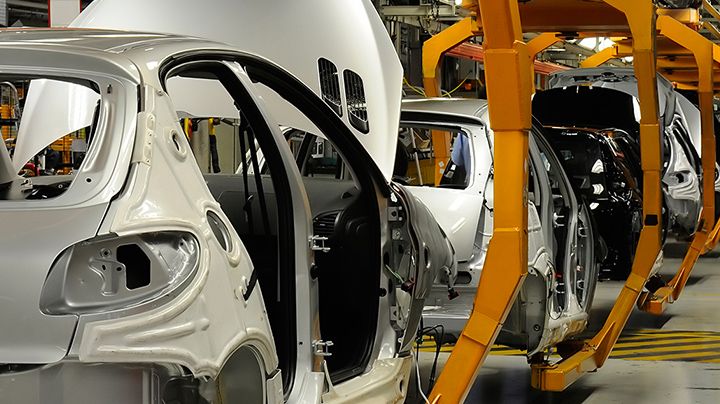
BETAFOAM polyurethane foams can be used wherever cavity sealing or stiffening is required, including body-side joints, sills, pillars, underbody cross-car structure, frame rails, longitudinal structure, door panels, engine cradles, lateral rails and hydroformed replacements.

Application Methods

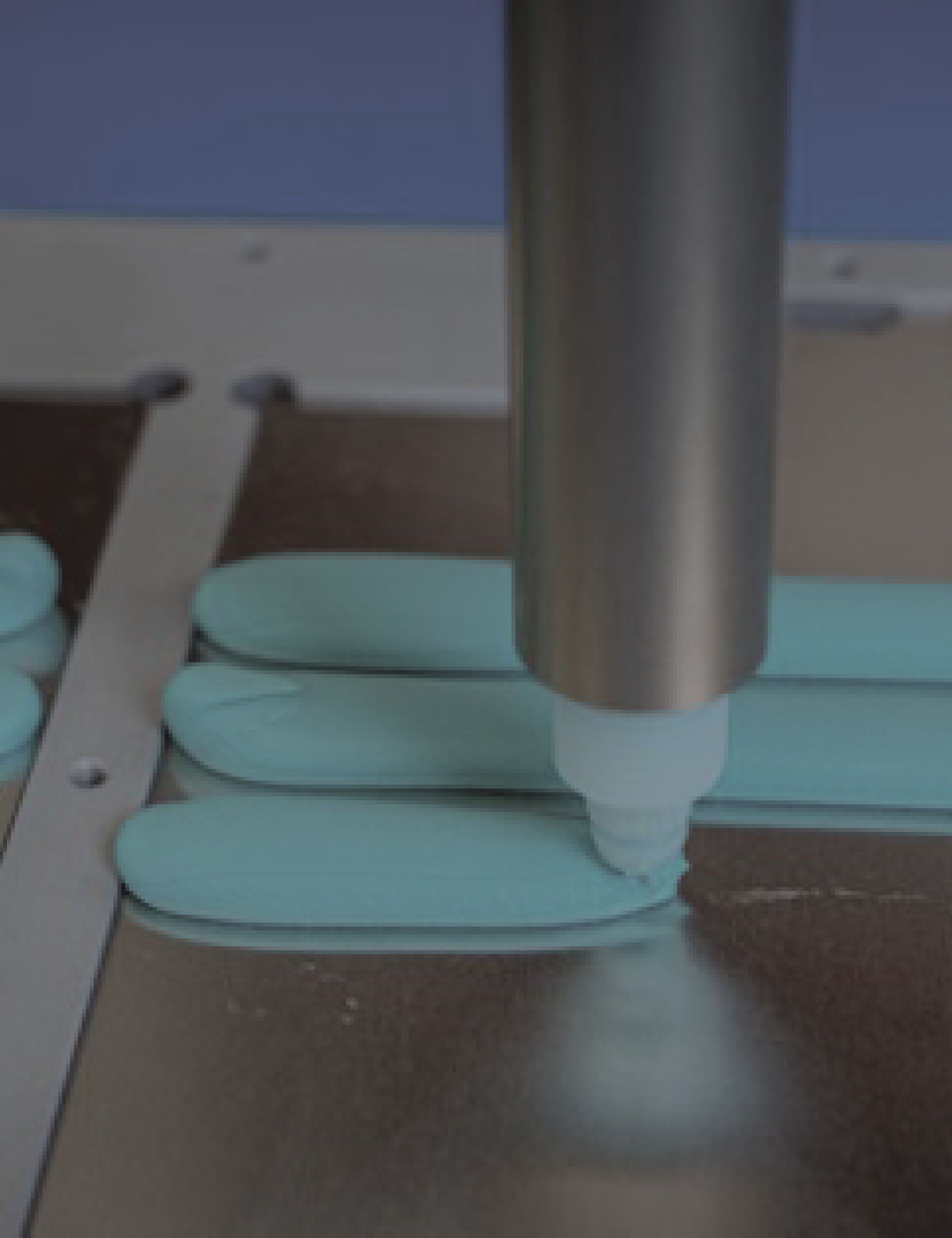
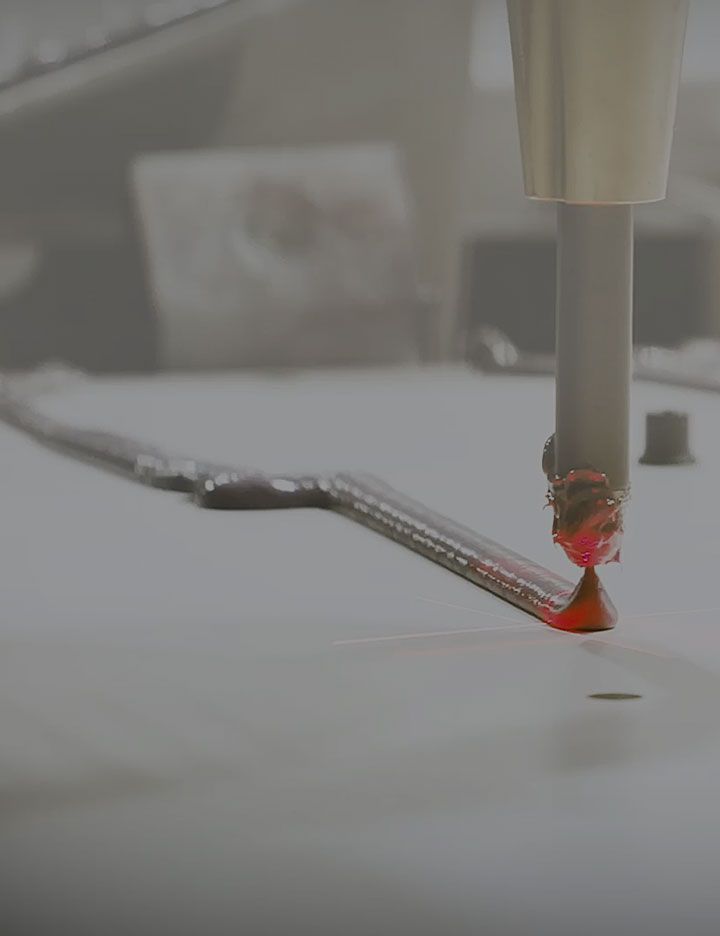
BETAFOAM polyurethane foam is pumped from bulk containers into meter mix equipment. The proper mix ratio is in turn dispensed manually or robotically through an application gun. Technical Service and Development is offered to assure proper application techniques.

Contact

For additional information on how Dow Automotive materials can be applied to meet your specific needs please contact us.

Available Grades